
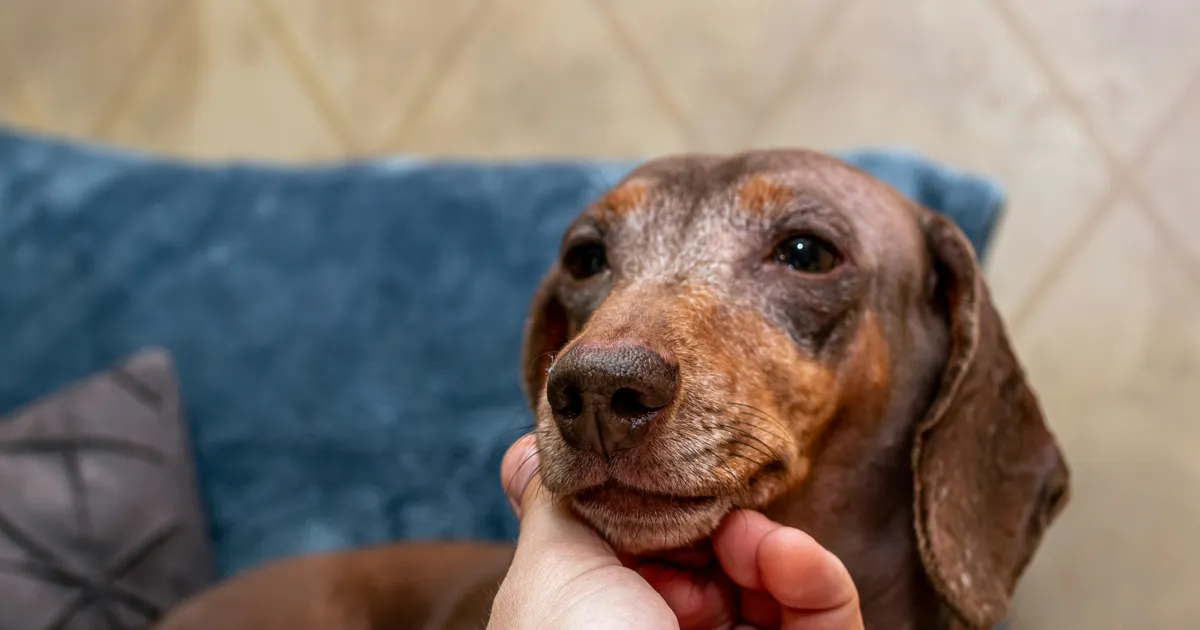
As our beloved pets enter their golden years, senior pet wellness exams become an increasingly crucial part of their healthcare. Just like humans, aging household animals experience physiological changes that can make them more vulnerable to certain health conditions. Detecting these issues early through regular veterinary check-ups can significantly improve their quality of life and longevity. These specialized exams aren’t just about vaccinations; they’re a comprehensive evaluation focusing on the unique needs of older cats and dogs, giving them the best possible chance to enjoy their senior years. Understanding what to expect during these appointments can empower pet owners to make informed decisions and partner effectively with their veterinarian in ensuring their furry companions thrive in 2026.
Why Senior Pet Wellness Exams Matter
Aging pets are more prone to developing chronic diseases such as arthritis, kidney disease, heart conditions, and dental problems. Some of these conditions might not be immediately obvious to pet owners, as animals are adept at masking pain or discomfort. A senior pet wellness exam provides an opportunity for the veterinarian to thoroughly assess the pet’s overall health, looking for subtle signs that might indicate an underlying issue. Early detection offers the best chance for effective management or treatment, preventing the condition from progressing to a more serious stage that could negatively impact your pet’s well-being.
These exams also allow for personalized preventive care tailored to the pet’s specific needs. Based on the exam findings, the veterinarian can recommend adjustments to diet, exercise, or lifestyle to support the pet’s health. For instance, a pet with early signs of arthritis might benefit from joint supplements or a modified exercise routine. Regular check-ups facilitate open communication between the pet owner and the veterinarian, enabling them to address any concerns or questions related to the pet’s health and behavior. Ultimately, senior pet wellness exams are about proactively managing the aging process and maximizing the pet’s comfort and happiness.
What To Expect During the Exam
A senior pet wellness exam is more in-depth than a standard check-up. It typically starts with the veterinarian gathering a thorough medical history, including any changes in appetite, thirst, urination, bowel movements, activity levels, or behavior. The veterinarian will also ask about the pet’s diet, exercise routine, and any medications or supplements they are taking. Be prepared to provide detailed information about any observations you’ve made at home, as this will help the vet better understand your pet’s health status. Remember, no detail is too small.
The physical examination is a critical component of a senior wellness exam. The vet will carefully examine your pet’s eyes, ears, mouth, and lymph nodes. They’ll listen to the heart and lungs, palpate the abdomen to check for any abnormalities, and assess the joints and muscles for signs of arthritis or other musculoskeletal issues. The veterinarian will also evaluate the pet’s weight and body condition score, as weight loss or gain can be indicative of underlying health problems. This hands-on assessment provides valuable insights into the pet’s overall physical health.
Diagnostic Testing
Diagnostic testing is frequently a part of senior pet wellness exams, allowing veterinarians to identify potential issues before they become clinically apparent. These tests provide objective data to support the findings of the physical exam. Blood tests, including a complete blood count (CBC) and a chemistry panel, can assess organ function, detect infections, and identify metabolic imbalances. Urinalysis is another common test that can help detect kidney disease, urinary tract infections, and diabetes. In some cases, the veterinarian may recommend additional tests such as thyroid testing, blood pressure measurement, or imaging studies such as X-rays or ultrasound, depending on the pet’s individual needs and risk factors.
Vaccinations and Parasite Control
Although senior pets may have received core vaccinations in their younger years, it’s essential to review their vaccination status with the veterinarian. While over-vaccination should be avoided, certain vaccines may still be recommended to protect against potentially life-threatening diseases. The veterinarian will consider the pet’s lifestyle, geographic location, and overall health status when determining which vaccines are appropriate. For example, a senior dog that frequently goes to dog parks may benefit from continuing to receive the Bordetella vaccine.
Parasite control remains crucial for senior pets, as they can be more susceptible to the effects of fleas, ticks, heartworms, and intestinal parasites. The veterinarian can recommend appropriate parasite prevention products based on the pet’s individual needs and risk factors. Regular fecal examinations are also recommended to screen for intestinal parasites. Effective parasite control not only protects the pet’s health but also helps prevent the transmission of parasites to other animals and humans in the household. Protecting your pet from common parasites is a simple way improve their health. Consult with your vet about the best options for 2026.
Nutritional Considerations
Senior pets often have different nutritional needs compared to younger animals. As they age, their metabolism may slow down, and they may become less active, leading to weight gain. On the other hand, some senior pets may experience weight loss due to decreased appetite or underlying health conditions. The veterinarian can assess the pet’s body condition score and recommend a diet that is appropriate for their individual needs. Senior-specific diets are often formulated to be lower in calories and fat, and higher in fiber to help maintain a healthy weight and promote digestive health. They may also contain added antioxidants and omega-3 fatty acids to support joint health and cognitive function.
In addition to the type of food, the veterinarian can provide guidance on feeding frequency and portion sizes. It’s important to monitor the pet’s weight and adjust the diet accordingly. Water intake is also crucial for senior pets, especially those with kidney disease or other conditions that can lead to dehydration. Ensure that fresh water is always available, and consider adding wet food to the diet to increase hydration. Your vet is the best resource for nutritional advice.
Addressing Behavioral Changes
Behavioral changes are common in senior pets and can sometimes be indicative of underlying medical conditions. For example, a pet that suddenly becomes aggressive or withdrawn may be experiencing pain or cognitive dysfunction. Cognitive dysfunction syndrome (CDS), also known as “doggy dementia” or “feline cognitive decline,” is a neurodegenerative disorder that can affect senior pets, leading to changes in behavior, memory, and awareness. The veterinarian can help differentiate between behavioral changes that are due to medical conditions and those that are simply age-related.
If a pet is diagnosed with CDS, the veterinarian can recommend strategies to manage the condition and improve the pet’s quality of life. These may include environmental enrichment, cognitive training exercises, and medications to improve brain function. Even if the behavioral changes are not related to a medical condition, the veterinarian can provide guidance on how to address them. For example, a senior pet that is experiencing anxiety may benefit from anti-anxiety medication or behavior modification techniques. Don’t assume behavioral problems are “just part of aging.”
Home Care Recommendations
Providing supportive home care is essential for senior pets to ensure their comfort and well-being. This may include making modifications to the home environment to accommodate mobility issues. For example, adding ramps or steps to help the pet access furniture or elevated areas, providing orthopedic beds for joint support, and ensuring that food and water bowls are easily accessible. Maintaining good hygiene is also crucial for senior pets, as they may have difficulty grooming themselves. Regular brushing, nail trims, and dental care can help prevent skin infections, dental disease, and other health problems. Senior pets require your care and attention.
Regular monitoring of the pet’s appetite, water intake, urination, bowel movements, and activity level is important for detecting any changes that may indicate a health problem. Keep a record of these observations and share them with the veterinarian during wellness exams. Spending quality time with the senior pet, providing gentle exercise, and engaging in activities that they enjoy can help maintain their physical and mental well-being. Remember, senior pets need love, attention, and care just as much as younger animals, if not more.
Key Takeaways
- Senior pet wellness exams are crucial for early detection of age-related health conditions.
- These exams involve a thorough physical examination, diagnostic testing, and customized preventive care.
- Nutritional needs change as pets age, requiring adjustments to diet and feeding strategies.
- Behavioral changes in senior pets may indicate underlying medical conditions and should be addressed.
- Supportive home care, including environmental modifications and regular monitoring, is essential.
- Partnering with your veterinarian is key to ensuring your senior pet’s comfort and quality of life.
Frequently Asked Questions
How often should my senior pet have wellness exams?
Most veterinarians recommend that senior pets (typically dogs and cats over the age of 7) have wellness exams every six months. This allows for more frequent monitoring of their health and earlier detection of any potential problems.
What are some common signs of aging in pets?
Common signs of aging in pets include decreased activity level, weight gain or loss, changes in appetite or thirst, stiffness or lameness, dental problems, cloudy eyes, and behavioral changes such as increased vocalization or disorientation.
Are senior pet wellness exams expensive?
The cost of senior pet wellness exams can vary depending on the veterinarian, the geographic location, and the specific tests that are performed. However, many pet owners find that the cost is a worthwhile investment in their pet’s health and well-being.
What if my pet is diagnosed with a health condition during the exam?
If your pet is diagnosed with a health condition during the exam, the veterinarian will discuss treatment options and develop a plan to manage the condition and improve your pet’s quality of life. This may involve medication, dietary changes, lifestyle modifications, or other therapies.
Can I do anything at home to help my senior pet stay healthy?
Yes, there are many things you can do at home to help your senior pet stay healthy. These include providing a comfortable and supportive environment, feeding a high-quality diet, ensuring adequate water intake, providing gentle exercise, maintaining good hygiene, and monitoring their behavior for any changes. Consult resources like the American Animal Hospital Association for pet care tips.
Conclusion
Senior pet wellness exams are an investment in your furry friend’s health and happiness as they navigate their later years. By proactively addressing potential health issues and providing supportive care, you can help your pet enjoy a comfortable and fulfilling life. Communication with your veterinarian is essential to create the perfect wellness plan for your pet’s unique needs. Don’t hesitate to ask questions during appointments and share any concerns you might have. Working together, you and your vet can ensure your senior pet thrives in 2026 despite the inevitable challenges of aging.