

Digestive problems are a common concern for owners of indoor domestic animals, particularly cats and dogs. These issues can range from mild discomfort to severe, life-threatening conditions. Understanding the common causes, symptoms, and treatment options is crucial for ensuring the health and well-being of your furry companions. This article provides an in-depth look at the prevalent digestive ailments affecting pets confined to indoor environments, offering guidance on how to recognize and address these issues promptly. Addressing these conditions early and appropriately is vital for improving your pet’s quality of life, and preventative measures are key to avoiding digestive disturbances.
Common Causes of Digestive Upset
Dietary indiscretion is a frequent culprit behind digestive problems in indoor pets. This includes scavenging for food scraps, consuming spoiled food, or ingesting non-food items like toys or garbage. Unlike their outdoor counterparts, indoor pets often have limited access to natural foraging opportunities, making them more prone to exploring inappropriate items within the home. This behavior can lead to inflammation of the gastrointestinal tract, causing vomiting, diarrhea, and abdominal pain. Providing a balanced and appropriate diet, along with securing potential hazards, is essential for preventing these issues. Many commercial diets in 2026 are formulated for sensitive stomachs which may offer benefits.
Parasitic infections are another significant cause. Internal parasites such as roundworms, hookworms, whipworms, and Giardia can wreak havoc on a pet’s digestive system. These parasites can be contracted through contaminated environments or by ingesting infected feces. Indoor pets are not immune to these infections, as parasites can be brought into the home on shoes or through other pets. Regular deworming, as recommended by a veterinarian, is a crucial preventative measure. Protozoan infections like coccidia can also spread, causing diarrhea and dehydration if not treated. Diagnostic testing and appropriate medication are necessary to eliminate the parasites.
Recognizing Vomiting and Diarrhea
Vomiting and diarrhea are the most evident signs of digestive problems in indoor pets. Vomiting can be caused by numerous factors, including dietary indiscretion, infections, toxins, or underlying health conditions. The frequency, appearance (e.g., presence of blood or bile), and consistency of the vomit can provide valuable information to your veterinarian. Similarly, diarrhea can vary in consistency, color, and frequency. Observing accompanying symptoms, such as lethargy, decreased appetite, or abdominal discomfort, will help in creating a full clinical picture for your vet.
Dehydration is a serious consequence of both vomiting and diarrhea and can quickly become life-threatening if left unaddressed. Signs of dehydration include sunken eyes, dry gums, and decreased skin elasticity. Electrolyte imbalances can also occur, further complicating the situation. Prompt veterinary care is essential to rehydrate the pet through intravenous fluids and address the underlying cause of the digestive upset. Probiotics may also be recommended to re-establish healthy gut flora. Keeping a close watch on the animal and observing any indications of abnormality is vital.
When to Seek Immediate Veterinary Care
Certain symptoms warrant immediate veterinary attention. These include persistent vomiting or diarrhea, especially if accompanied by blood; severe abdominal pain; extreme lethargy or collapse; and difficulty breathing. These signs could indicate a serious condition, such as a gastrointestinal obstruction, pancreatitis, or a severe infection, requiring prompt intervention. Delaying treatment can lead to severe complications and potentially fatal outcomes. Always err on the side of caution and consult with your veterinarian, or an emergency clinic, immediately if you notice these concerning signs.
Inflammatory Bowel Disease (IBD)
Inflammatory Bowel Disease (IBD) is a chronic inflammatory condition affecting the gastrointestinal tract. While the exact cause of IBD is often unknown, it is believed to involve a complex interplay of genetic predisposition, immune system dysfunction, and gut microbiome imbalances. Common symptoms include chronic vomiting, diarrhea, weight loss, and decreased appetite. Diagnosis typically involves a combination of blood tests, fecal examinations, and endoscopic biopsies. Often, animals can develop secondary diagnoses such as pancreatitis or cholangitis.
Management of IBD typically involves a multi-faceted approach. Dietary modifications, such as hypoallergenic or novel protein diets, are often recommended to reduce food sensitivities and inflammation. Medications such as corticosteroids or immunosuppressants may be prescribed to suppress the immune system and control inflammation. Probiotics and prebiotics can help restore a healthy gut microbiome. Regular monitoring and follow-up with a veterinarian are crucial for managing IBD effectively and improving the pet’s quality of life. Proper diet management is crucial for animals with the condition.
Pancreatitis Considerations
Pancreatitis, or inflammation of the pancreas, can be an acute or chronic condition that causes significant painful digestive issues for pets. The pancreas produces enzymes vital for digestion, and when inflamed, these enzymes can leak into the abdominal cavity and begin to digest the organ itself. Dietary indiscretion, obesity, certain medications, and underlying health conditions can all contribute to pancreatitis. Miniature schnauzers and Yorkshire terriers are sometimes known to be predisposed to the condition, and thus, extra cautions are needed.
Symptoms of pancreatitis often include vomiting, abdominal pain, lethargy, loss of appetite, and dehydration. Diagnosis typically involves blood tests to measure pancreatic enzyme levels and imaging techniques such as ultrasound. Treatment usually includes supportive care such as intravenous fluids, pain management, and anti-nausea medications. A low-fat diet is often recommended to reduce the workload on the pancreas. In severe cases, hospitalization and nutritional support may be required. Prognosis is often dependent on the severity of flareups.
Dietary Management and Fiber Needs
Diet plays a crucial role in maintaining digestive health in indoor animals. A balanced diet that meets the pet’s nutritional needs is essential. High-quality commercial pet foods are typically formulated to provide the proper balance of protein, carbohydrates, fats, vitamins, and minerals. Avoiding table scraps and human foods is important, as they can disrupt the digestive system and lead to obesity. As of 2026, many veterinary nutrition specialists are advising higher protein diets, especially for obligate carnivores.
Fiber is an important component of a healthy diet. It can help regulate bowel movements, promote gut health, and manage weight. Both soluble and insoluble fiber have beneficial effects. Soluble fiber can help absorb water and bulk up the stool, which can be beneficial for managing diarrhea. Insoluble fiber adds bulk to the stool and helps promote regular bowel movements, which can be helpful for managing constipation. Consult with your veterinarian to determine the appropriate fiber levels for your pet’s individual needs. Common sources of fiber include psyllium husk, beet pulp, and pumpkin.
Preventative Measures at Home
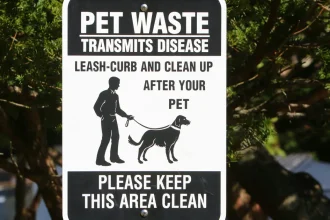
Preventing digestive problems is often easier than treating them. One key preventative measure is to provide a balanced and appropriate diet. Avoid feeding table scraps or letting your pet access garbage. Ensure that your pet has constant access to fresh, clean water. Keep human medications and potentially harmful chemicals out of reach. Cleaning up any pet messes as soon as possible will help limit the possible spread of infection between animals.
Regular veterinary check-ups are also vital for preventative care. Your veterinarian can perform routine examinations, administer vaccinations, and screen for internal parasites. A fecal examination can help detect parasites early on, allowing for prompt treatment. Regular deworming is recommended, especially for pets that spend time outdoors or interact with other animals. By taking these preventative measures, you can significantly reduce the risk of digestive problems and keep your pet healthy and happy. Ensuring your pet’s overall health is crucial in preventing issues of the digestive system.
Key Takeaways
- Dietary indiscretion is a common cause of digestive upset in indoor pets.
- Vomiting and diarrhea are key signs of digestive problems and can lead to dehydration.
- Inflammatory Bowel Disease (IBD) is a chronic inflammatory condition requiring long-term management.
- Pancreatitis can be a painful and serious condition.
- Dietary management, including appropriate fiber intake, is crucial for digestive health.
- Preventative measures, such as proper diet and regular veterinary check-ups, are essential.
Frequently Asked Questions
What should I do if my dog vomits once?
If your dog vomits once but is otherwise acting normally (eating, drinking, and behaving as usual), it may not be a cause for immediate concern. Withhold food for a few hours and offer small amounts of water. If the vomiting persists or if other symptoms develop, consult your veterinarian. See resources on appropriate emergency veterinary care. AVMA resource here.
How can I prevent my cat from eating things they shouldn’t?
Keep potentially harmful items, such as medications, cleaning supplies, and small objects, out of your cat’s reach. Provide plenty of appropriate toys and enrichment activities to keep your cat mentally stimulated and less likely to seek out non-food items. Consider using pet-proof containers for food and treats.
What are the symptoms of Giardia infection in dogs?
Symptoms of Giardia infection in dogs can include diarrhea (which may be watery or mucus-filled), vomiting, weight loss, and decreased appetite. Some dogs may be asymptomatic carriers, meaning they are infected but show no signs of illness. Diagnostic testing is required to confirm the diagnosis.
Is it normal for my pet to have occasional soft stools?
Occasional soft stools may not be a cause for concern if your pet is otherwise healthy. However, if the soft stools persist or if other symptoms such as vomiting, lethargy, or decreased appetite develop, consult your veterinarian. It might be a sign of dietary intolerance or a more serious inflammatory disease.
Can stress cause digestive problems in pets?
Yes, stress can contribute to digestive problems in pets. Stress can affect gut motility and immune function, leading to diarrhea, vomiting, and decreased appetite. Minimize stressors in your pet’s environment and provide plenty of opportunities for exercise, play, and relaxation. Pheromone therapies can also be beneficial.
Conclusion
Digestive problems can significantly impact the health and well-being of indoor domestic animals. By understanding the common causes, recognizing the symptoms, and taking preventative measures, pet owners can help ensure their furry friends enjoy a healthy and happy life. Regular veterinary checkups, appropriate dietary management, and a proactive approach to addressing potential health concerns are essential. Being attentive to your pet’s behavior and consulting with a veterinarian when needed are vital steps in preventing and managing digestive conditions effectively in 2026.