
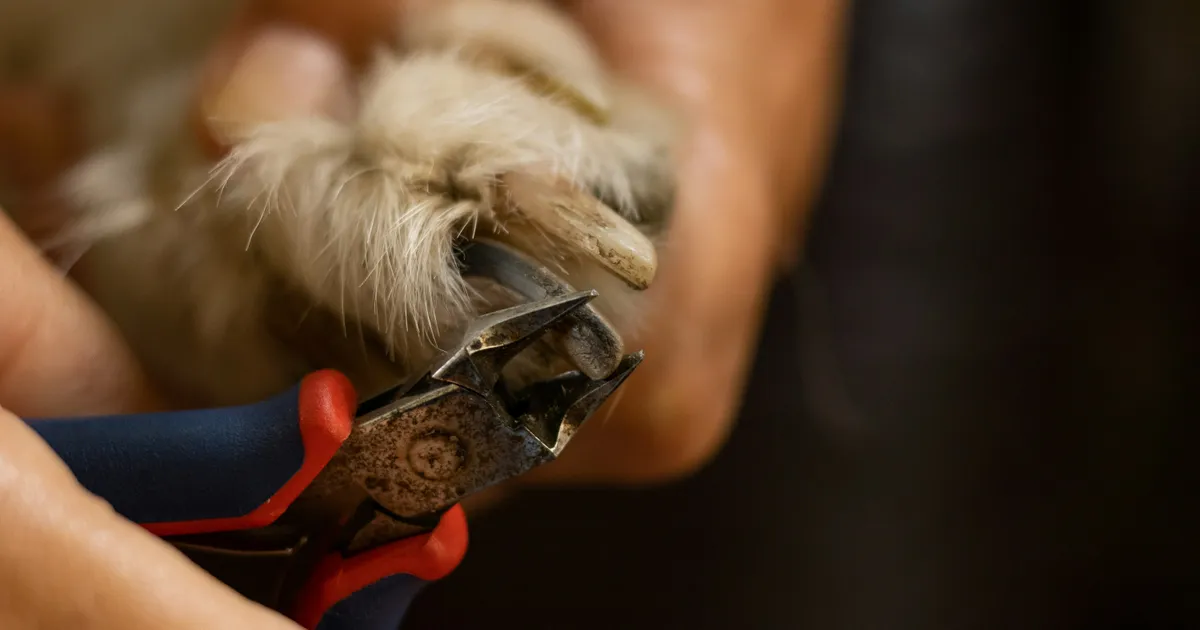
Nail trimming is an essential part of pet care, promoting comfort and preventing potential health issues. As a new pet parent, mastering this skill can feel daunting, but with the right knowledge and approach, you can confidently maintain your furry friend’s paw health. This guide provides expert nail trimming advice for beginner pet parents, covering everything from essential tools to safe trimming techniques, helping you establish a stress-free routine for both you and your pet in 2026.
Understanding Your Pet’s Nail Anatomy
Before you even think about clipping, take some time to understand the anatomy of your pet’s nails. Unlike human nails, dogs and cats have a quick, which is a blood vessel and nerve that extends into the nail. Cutting into the quick is painful and will cause bleeding. With light-colored nails, the quick is usually visible as a pink triangle. However, with dark-colored nails, it’s much harder to see, requiring extra caution. Regularly inspecting your pet’s paws will also help you identify any potential issues like overgrown nails or signs of infection.
The goal of nail trimming is to shorten the nail without cutting into the quick. Overgrown nails can cause discomfort, alter your pet’s gait, and even lead to skeletal problems over time. Familiarize yourself with the appearance of healthy, properly trimmed nails for your specific pet breed and size. Don’t hesitate to consult with your veterinarian or a professional groomer for guidance and demonstrations. Correct nail length ensures even weight distribution and proper paw function.
Gathering the Right Tools and Supplies
Having the correct tools is crucial for a safe and efficient nail trimming session. The two main types of nail trimmers are scissor-type clippers and guillotine-type clippers. Scissor-type clippers offer more control and are suitable for larger nails, while guillotine-type clippers are better for smaller nails. Choose the type that you feel most comfortable using. A nail grinder is another option, which gradually files down the nail and may be preferred by some pets.
In addition to clippers or a grinder, you’ll need styptic powder or a styptic pencil to stop bleeding if you accidentally cut the quick. Keep these close at hand. High-value treats will help to reward and distract your pet during the process. A clean towel or mat can provide a comfortable and stable surface. Good lighting is also essential to clearly see the nail structure. Having everything prepared in advance minimizes stress and helps the trimming session go smoothly.
Mastering the Safe Trimming Technique
Start slowly and introduce your pet to the clippers or grinder gradually. Let them sniff the tools and reward them with treats for positive interactions. Begin by trimming just the tips of the nails, taking off small increments at a time. This reduces the risk of cutting the quick and allows you to get a feel for your pet’s nails. Observe the cut surface of the nail as you trim: a chalky white appearance indicates you’re approaching the quick.
For pets with dark nails, trim a little at a time, and watch for a dark, shiny dot in the center of the freshly cut nail. This dot indicates that you are getting close to the quick. If you see it, stop trimming. If you accidentally cut the quick, apply styptic powder immediately to stop the bleeding. Stay calm and reassure your pet. Over time, with positive reinforcement and gentle handling, nail trimming can become a less stressful experience for both of you in 2026.
Dealing with Anxious Pets
Some pets are naturally anxious about nail trimming. If your pet resists strongly, don’t force the issue. Try breaking the task into shorter sessions, perhaps trimming only one or two nails at a time. Use positive reinforcement techniques like praise, treats, and petting to create positive associations. You can also try distracting your pet with a favorite toy or licking mat. Consider consulting with a veterinary behaviorist or professional groomer for personalized advice on desensitization techniques. Remember, patience and consistency are key to helping your pet overcome their anxiety.
Establishing a Regular Nail Trimming Schedule
The frequency of nail trimming depends on your pet’s breed, activity level, and environment. Pets who walk frequently on hard surfaces tend to wear down their nails naturally, while those who spend most of their time indoors may require more frequent trimming. As a general guideline, aim to trim your pet’s nails every two to three weeks. Regularly checking your pet’s nails will help you determine the optimal trimming schedule.
Consistency is important. Incorporate nail trimming into your pet’s regular grooming routine. Short, frequent sessions are often less stressful than long, infrequent ones. Reward your pet after each session with praise and treats to reinforce positive behavior. Establishing a predictable routine helps your pet feel more secure and reduces anxiety associated with nail trimming. A well-maintained nail length contributes to overall pet wellness.
Recognizing and Addressing Potential Problems
Be vigilant for signs of nail problems, such as excessive licking or chewing at the paws, lameness, or swelling around the nail bed. These could indicate an infection or injury. If you notice any abnormalities, consult your veterinarian promptly. Ingrown nails are a common problem, particularly in pets with long hair between their toes. Regular trimming and grooming can help prevent this issue. If an ingrown nail develops, it may require professional veterinary care.
Fungal or bacterial infections can also affect the nails and surrounding tissues. Symptoms may include discoloration, brittleness, or discharge. Your veterinarian can diagnose the cause of the infection and prescribe appropriate treatment, such as antifungal medications or antibiotics. Maintaining good hygiene, including keeping the paws clean and dry, can help prevent infections. Addressing any nail problems promptly is essential for maintaining your pet’s comfort and preventing further complications.
Key Takeaways
- Understand your pet’s nail anatomy to avoid cutting the quick.
- Gather the appropriate nail trimming tools and supplies.
- Use a safe and gradual trimming technique, rewarding your pet with treats.
- Establish a regular nail trimming schedule as part of your grooming routine.
- Recognize potential nail problems and seek veterinary care when needed.
- Be patient and consistent to create a stress-free experience for your pet.
Frequently Asked Questions
How do I know if my dog’s nails are too long?
If your dog’s nails are touching the ground when they stand or you can hear them clicking on hard surfaces, they are likely too long and need to be trimmed.
What should I do if I accidentally cut the quick?
If you accidentally cut the quick, apply styptic powder or a styptic pencil to the bleeding area. Apply pressure for a few seconds until the bleeding stops. Stay calm and reassure your pet.
Can I use human nail clippers on my pet?
No, human nail clippers are not suitable for pets. They can crush or split the nail. Use nail clippers specifically designed for pets.
How can I make nail trimming less stressful for my cat?
Start slowly and introduce your cat to the clippers gradually. Use positive reinforcement, such as treats and praise. Try wrapping your cat in a towel to limit movement and make them feel more secure.
Is it okay to take my pet to a professional groomer for nail trimming?
Yes, if you are uncomfortable trimming your pet’s nails yourself, taking them to a professional groomer is a great option. Groomers are experienced in handling pets and can safely trim their nails.
Conclusion
Mastering the art of pet nail trimming takes time, patience, and a gentle approach. By understanding your pet’s nail anatomy, using the right tools, and following a safe technique, you can confidently care for their paw health. Remember to be consistent with your trimming schedule and to reward your pet for their cooperation. If you encounter any challenges, don’t hesitate to seek guidance from your veterinarian or a professional groomer. With practice and positive reinforcement, nail trimming can become a less stressful experience for both you and your furry companion, contributing to their overall well-being for years to come. In 2026, consistent care ensures happy, healthy paws.