
Responsible pet ownership is more than just cuddles and playtime; it’s a commitment to the animal’s well-being and the community’s safety. Recognizing this, many local organizations are offering educational workshops designed to equip current and future pet owners with the knowledge and skills needed to provide excellent care. These workshops cover a wide array of topics, from basic pet care and nutrition to understanding animal behavior and emergency preparedness. By attending these sessions, individuals can become better informed and more compassionate pet guardians and ensure a harmonious relationship with their animal companions and create a positive impact on the community in 2026.
Understanding Basic Pet Needs
One of the cornerstones of responsible pet ownership is understanding the fundamental needs of your chosen animal. Workshops covering this topic often delve into the specific requirements of different species and breeds, emphasizing that a one-size-fits-all approach simply doesn’t work. Participants learn about proper nutrition, appropriate housing, regular veterinary care, and the importance of socialization and exercise. The sessions help owners recognize signs of illness or distress and teach them how to create a safe and stimulating environment that promotes both physical and mental health.
Beyond the basics, these workshops often address the ethical considerations of pet ownership, such as the importance of spaying and neutering to prevent overpopulation and the commitment required to care for an animal throughout its entire lifespan. Attendees learn about the long-term financial responsibilities associated with pet ownership, including food, vet bills, grooming, and potential emergency expenses. Overall, these workshops aim to ensure that prospective and current owners have a realistic understanding of what it truly means to provide a loving and supportive home for their animal companions. Educational resources and ongoing support are frequently highlighted.
Decoding Animal Behavior
Effective communication is key to a successful relationship with any animal, and workshops focusing on animal behavior aim to demystify the subtle cues and signals our pets use to express themselves. Participants learn to interpret body language, vocalizations, and other behavioral indicators to better understand their animal’s emotional state and needs. This understanding is crucial for preventing behavioral problems, as many issues stem from miscommunication or unmet needs. These classes also typically discuss how to respond to aggressive behaviors.
Furthermore, these workshops often cover positive reinforcement training techniques, which can be invaluable for building a strong bond with your pet and addressing unwanted behaviors in a humane and effective manner. Attendees learn how to use rewards, such as treats or praise, to encourage desired behaviors and how to avoid punishment, which can often lead to fear, anxiety, and aggression. Experienced trainers often lead these sessions, providing practical tips and demonstrations to help owners implement these techniques at home. Understanding animal behavior is essential for improving quality of life for both the pet and owner. In 2026, there will be new advances in this area.
The Importance of Pet Health and Wellness
Maintaining your pet’s health and wellness is a critical aspect of responsible pet ownership. Workshops dedicated to this topic provide valuable insights into preventive care, common illnesses, and emergency preparedness. Participants learn about the importance of regular veterinary checkups, vaccinations, parasite prevention, and proper dental hygiene. Instruction is given to help owners recognize symptoms of common pet ailments and know when to seek professional veterinary care by a veterinarian, helping protect both themselves and the animal.
These workshops also often cover topics such as pet first aid and CPR, equipping owners with the skills and knowledge to respond effectively in emergency situations. Attendees learn how to administer basic first aid, control bleeding, treat wounds, and recognize signs of distress that require immediate veterinary attention. Additionally, many workshops address the importance of weight management and proper nutrition, empowering owners to make informed choices about their pet’s diet and exercise regimen. The goal is to ensure that pets live long, healthy, and fulfilling lives thanks to well-informed and attentive owners.
Navigating Legal and Ethical Considerations
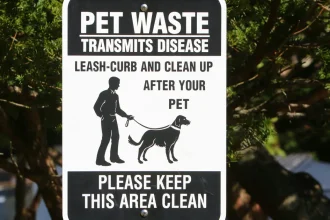
Responsible pet ownership extends beyond the home and into the community, encompassing legal and ethical considerations that affect everyone. Workshops covering this topic educate attendees about local animal ordinances, such as leash laws, licensing requirements, and regulations regarding animal noise and waste disposal. Participants learn about their responsibilities as pet owners to ensure the safety and well-being of both their animals and the community as a whole.
Beyond the legal aspects, these workshops often delve into the ethical considerations of pet ownership, such as the responsibility to provide adequate care, prevent animal cruelty, and make informed decisions about breeding and adoption. Attendees learn about the importance of supporting animal shelters and rescue organizations and advocating for responsible pet ownership within their communities. The goal is to cultivate a culture of respect and compassion towards animals and promote responsible pet ownership as a cornerstone of a humane society. Owners must be aware of laws concerning their specific types of pets.
Choosing the Right Pet For Your Lifestyle
Selecting a pet that aligns with your lifestyle and capabilities is a crucial step toward responsible pet ownership. Before bringing an animal into your home, it’s essential to carefully consider your living situation, schedule, financial resources, and personal preferences. Workshops dedicated to this topic help prospective owners assess their suitability for pet ownership and choose an animal that is a good fit for their individual circumstances. Taking a self-assessment quiz can allow for accurate results of what species of animal coincides with their current lifestyle.
Training and Socialization Best Practices
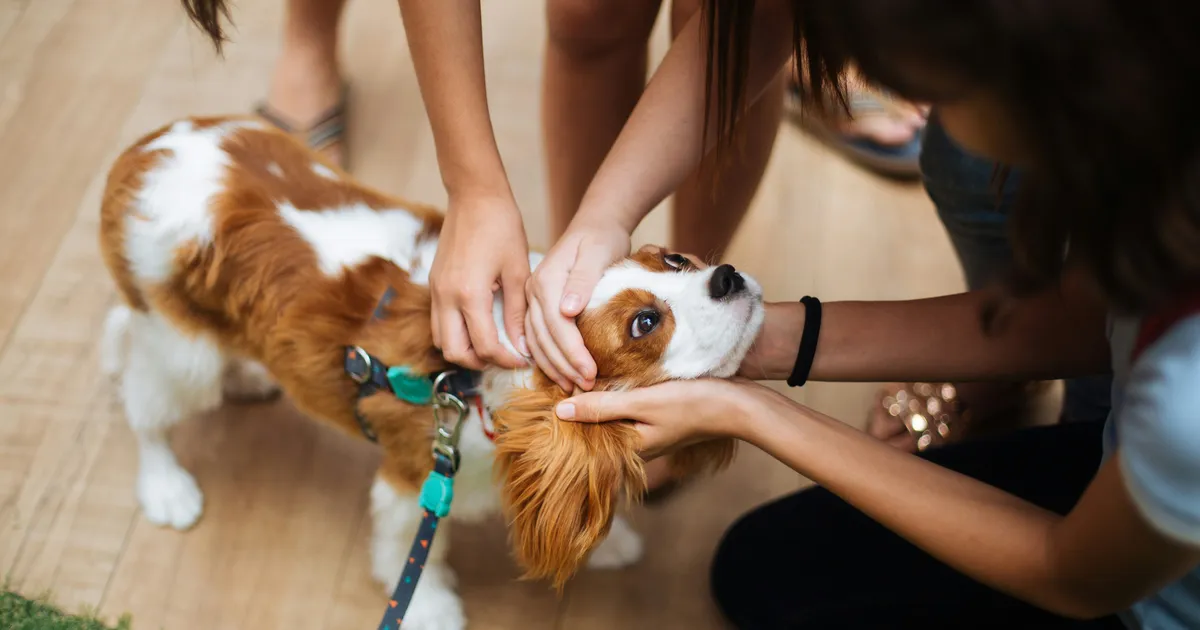
Proper training and socialization are essential for developing well-adjusted and well-behaved pets. Workshops focusing on this topic provide owners with the tools and techniques to effectively train their animals and prevent behavioral problems. Participants learn about the importance of starting training early, using positive reinforcement methods, and creating a consistent and structured environment for their pets. Effective socialization is an ongoing process involving creating positive interactions with other animals and people.
The classes also often cover common training commands, such as sit, stay, come, and leave it, and provide tips for addressing specific behavioral challenges, such as excessive barking, chewing, or jumping. Attendees learn about the importance of exposing their pets to a variety of environments, people, and animals to help them develop confidence and adapt to new situations. The goal is to empower owners to build a strong bond with their pets and create harmonious relationships based on mutual respect and understanding. This is crucial for a pet’s mental well-being.
Emergency Preparedness for Pet Owners
Being prepared for emergencies is a crucial aspect of responsible pet ownership. Workshops dedicated to this topic provide owners with the knowledge and resources needed to protect their pets in the event of a natural disaster, fire, or other emergency. Participants learn how to create a pet emergency kit, develop a pet evacuation plan, and identify safe shelters or boarding facilities that accept animals. It is important to ensure your pets are microchipped.
These workshops also discuss the importance of having up-to-date identification tags and microchips for your pets, as well as keeping copies of their veterinary records readily available. Attendees learn how to administer basic first aid to their pets in emergency situations and how to transport injured animals safely. Additionally, many workshops address the importance of pet insurance and other financial resources that can help cover the costs of emergency veterinary care. Being prepared can make a significant difference in the outcome of an emergency situation and help ensure the safety and well-being of your beloved pets in 2026.
Key Takeaways
- Responsible pet ownership involves understanding and meeting your pet’s basic needs.
- Decoding animal behavior is crucial for effective communication and preventing problems.
- Prioritize pet health and wellness through preventive care and emergency preparedness.
- Be aware of the legal and ethical responsibilities that come with pet ownership.
- Proper training and socialization are essential for well-adjusted pets.
- Having an emergency plan can protect your pets during crises.
Frequently Asked Questions
What are the basic needs of a pet?
The basic needs of a pet include proper nutrition, adequate shelter, regular veterinary care, exercise, socialization, and mental stimulation. These needs vary according to the species and breed of animal. For definitive answers for specific breeds it is best to contact a veterinarian in your area.
How can I address behavioral problems in my pet?
Behavioral problems can often be addressed through positive reinforcement training, consistent routines, and addressing any underlying medical conditions. Consulting with a professional trainer or behaviorist can also be helpful.
What should I include in a pet emergency kit?
A pet emergency kit should include food, water, medications, a first-aid kit, leash, carrier, copies of veterinary records, identification tags, and any other items that your pet might need in an emergency.
What are my legal responsibilities as a pet owner?
Legal responsibilities vary depending on the location, but generally include complying with leash laws, licensing requirements, and regulations regarding animal noise and waste disposal. It’s important to learn your local ordinances and familiarize yourself with them.
How important is socialization for my pet?
Socialization is very important, especially during early development. Exposing your pet to a variety of environments, people, and animals can help them develop confidence and reduce the risk of behavioral problems later in life.
Conclusion
Local educational workshops on responsible pet ownership play a vital role in creating a more compassionate and responsible community. By equipping current and future pet owners with the knowledge and skills they need to provide excellent care, these workshops improve the lives of animals and strengthen human-animal bonds. Attending these sessions is a valuable investment in the well-being of our animal companions and contributes to a more humane society. Embracing responsible pet ownership ensures a brighter future for both pets and their owners. These workshops promote compassion and understanding.