

Choosing the perfect neighborhood park for daily dog walks is crucial for your furry friend’s physical and mental well-being. A great dog walking park offers a safe and stimulating environment where your canine companion can explore, socialize, and get the exercise they need. The ideal park should have ample green space, well-maintained trails, and possibly even designated off-leash areas, which are becoming increasingly popular in many communities. Before heading out, ensure you have the essentials: water, waste bags, and a reliable leash. By selecting the right park, you can transform daily walks into exciting adventures for you and your dog. Consider safety tips and regulations for optimal experiences in 2026.
Factors to Consider When Choosing a Park
When scouting for the ideal dog walking park, several factors come into play. Size is paramount; a larger park provides more room for exploration and long walks. Safety is equally important, from well-lit pathways to secure fencing in off-leash zones. Amenities like water fountains (for both humans and dogs), waste bag dispensers, and clearly marked trails enhance the experience. Think about the park’s proximity to your home, making it a convenient option for daily visits. Also, check online reviews and community forums to get insights from other dog owners about their experiences at the park.
- 10 Safe and Fun Outdoor Activities for Energetic Household Pets
- Pet Travel Checklist: Essential Tips for a Stress-Free Trip with Your Furry Friend
- Find Trusted Local Vets: Your Guide to Finding the Best Veterinary Clinic Near You
- Pet-Friendly Apartment Living: The Ultimate Guide for Happy Pets & Landlords
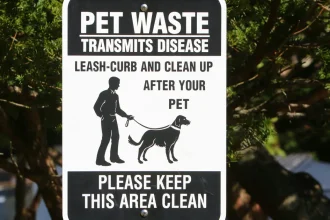
Another aspect to consider is the park’s rules and regulations. Some parks may have leash laws, specific areas where dogs are allowed, or restrictions on breeds. Understanding and respecting these rules ensures a harmonious environment for all park users. Pay close attention to signage and any posted guidelines. Think about the type of terrain the park offers, whether it’s paved paths, grassy fields, or natural trails. Different dogs may prefer different surfaces, so it’s good to have options. Remember, a responsible dog owner always keeps their pet under control and cleans up after them.
Top Parks with Off-Leash Areas
Off-leash areas are a fantastic option for dogs who thrive on freedom and socialization. These designated zones allow your dog to run, play, and interact with other dogs without the constraints of a leash. Look for parks with well-maintained off-leash areas that are securely fenced to prevent escapes. Some even have separate areas for small and large dogs to ensure safety and compatibility. Always supervise your dog in off-leash zones and be mindful of their behavior around other dogs.
Many top parks also offer amenities within their off-leash areas, such as agility equipment, water stations, and shaded seating for owners. These features enhance the experience and make it more enjoyable for everyone. Remember, even in off-leash areas, responsible dog ownership is crucial. This means knowing your dog’s limits, ensuring they are vaccinated, and intervening if they display aggressive behavior. Check local park websites or community resources for a list of the best off-leash parks near you.
Dog Park Etiquette
Dog park etiquette is essential for a safe and enjoyable experience for all. Always keep a close eye on your dog’s behavior and be prepared to intervene if necessary. Avoid bringing dogs who are sick or aggressive. Be considerate of other dogs and owners, respecting their space and boundaries. Clean up after your dog immediately, and never leave waste behind. Remember, a positive and respectful attitude contributes to a harmonious environment for everyone.
Parks with Scenic Walking Trails
For dog owners who enjoy a leisurely stroll, parks with scenic walking trails are a perfect choice. Look for parks with well-maintained paths that offer beautiful views, such as wooded areas, lakes, or gardens. The change of scenery can be stimulating for both you and your dog. Ensure the trails are safe and accessible, with clearly marked routes and appropriate lighting. Remember to bring water and snacks for longer walks, and be mindful of the weather conditions.
Parks with nature trails offer an added benefit of exposing your dog to different scents and textures, which can be enriching for their sensory experience. Observe your dog’s behavior as you walk, allowing them to sniff and explore at their own pace. Be aware of wildlife and keep your dog on a leash to protect them and the environment. Consider exploring new trails regularly to keep your walks interesting and engaging.
Parks with Water Features
Many dogs love the water, and parks with water features like ponds, streams, or splash pads can provide a refreshing and fun experience. Before letting your dog swim, ensure the water is clean and safe. Check for any posted warnings or advisories about water quality. Some parks even have designated dog swimming areas with shallow entry points for easy access. Always supervise your dog around water and ensure they are a confident swimmer.
Even if your dog isn’t a swimmer, they can still enjoy playing near the water. Bring a toy that floats and let them fetch it from the edge of the pond or stream. Water features can also provide a natural source of drinking water for your dog, but always carry a portable water bowl just in case. Be mindful of other park users and ensure your dog doesn’t splash or disturb them. In 2026, many cities are investing in upgrading their park water features, making them even more dog-friendly.
Community Parks with Dog-Friendly Events
Community parks often host dog-friendly events, such as adoption days, training classes, and fun runs. These events provide opportunities for your dog to socialize with other dogs and people, and they can be a great way to get involved in the local community. Check your local park’s website or community calendar for upcoming events. Participating in these events can be a fun and engaging way to bond with your dog and discover new parks and resources.
Dog-friendly events can also provide valuable information and resources for dog owners. You might find vendors selling dog supplies, trainers offering advice, or veterinarians providing health screenings. Be sure to bring your dog’s vaccination records to any events that require them. These events also can promote responsible dog ownership and help raise awareness about animal welfare issues. Consider volunteering at a dog-friendly event to give back to the community.
Maintaining a Safe Environment
Ensuring a safe environment for your dog during park walks is paramount. Always be aware of your surroundings and potential hazards, such as busy roads, wildlife, or other dogs. Keep your dog on a leash in designated areas and maintain control at all times. During hotter months, consider the pavement temperature and ground surface to avoid burned paws. Bring water with you to keep your dog hydrated, and avoid walking during the hottest part of the day. Regularly check parks for construction or ongoing maintenance.
In addition to physical safety, be mindful of your dog’s emotional well-being. Watch for signs of stress or anxiety, such as excessive panting, lip licking, or tail tucking. If your dog seems uncomfortable, remove them from the situation and give them space to calm down. Socialization is important, but not all dogs enjoy interacting with every dog. Encourage positive interactions and avoid forcing your dog into situations that make them uncomfortable. Responsible socialization will always ensure improved dog walks.
Key Takeaways
- Choose parks with ample space, safe trails, and appropriate amenities.
- Prioritize parks with off-leash areas for socialization and exercise, while remembering to follow etiquette.
- Explore parks with scenic trails for stimulating walks and varied landscapes.
- Consider parks with water features for a refreshing experience, ensuring safety and water quality.
- Participate in dog-friendly community events for socialization and valuable resources.
- Always maintain a safe environment by being aware of surroundings and your dog’s well-being.
Frequently Asked Questions
What if my dog is reactive to other dogs?
If your dog is reactive, it’s best to avoid off-leash areas and choose parks with wider trails where you can maintain distance. Consider using a long leash to give your dog some freedom while still maintaining control. Work with a professional trainer to address the reactivity issues and gradually introduce your dog to other dogs in a controlled environment. Aiming to visit during non-peak hours can also help when there are fewer dogs around.
How do I find out about park rules and regulations?
Check the local park’s website or contact the parks and recreation department. Many parks have posted signage with rules and regulations. You can also find information on community forums or social media groups for dog owners. Being informed ensures you and your dog have an enjoyable and compliant experience.
What should I do if my dog gets into a fight with another dog?
Stay calm and try to separate the dogs if it’s safe to do so. Avoid reaching into the middle of the fight, as you could get bitten. Use a loud noise or spray of water to distract the dogs. Once they are separated, check your dog for injuries and seek veterinary attention if needed. Exchange contact information with the other owner and report the incident to the park authorities if required.
How often should I walk my dog in the park?
The frequency depends on your dog’s breed, age, and energy level. Most dogs benefit from at least one daily walk, but some may need two or three. Observe your dog’s behavior and adjust the frequency based on their needs. Shorter, more frequent walks may be better for older dogs or those with health issues.
What are the essentials to bring on a dog walk?
Always bring water and a portable bowl, waste bags, a leash, and identification tags for your dog. Consider bringing treats for positive reinforcement and a toy for added enrichment. In 2026, some parks even have water fountains that include a lower bowl for dogs! Also, don’t forget to bring sunscreen and a hat for yourself on sunny days.
Conclusion
Selecting the right neighborhood park for your dog’s daily walks can significantly enhance their quality of life. By carefully considering factors such as safety, amenities, and rules, you can create a positive and enjoyable experience for both you and your furry friend. Remember to prioritize responsible dog ownership, respect other park users, and be mindful of your dog’s needs. With a little planning and consideration, your daily park walks can become a cherished part of your routine. Embrace the joy of exploring the great outdoors with your canine companion, fostering a stronger bond and promoting their overall well-being.