
Excessive pet shedding can be a significant concern for pet owners, leading to fur-covered furniture, clothing, and a seemingly endless battle against stray hairs. Fortunately, simple and effective brushing techniques can dramatically reduce shedding and improve your pet’s overall health and well-being. Regular grooming not only minimizes the amount of fur floating through your home but also helps to distribute natural oils, preventing dry skin and promoting a healthy, glossy coat. Understanding the proper tools and techniques for your pet’s specific coat type is essential for achieving optimal results in 2026. This article delves into easy-to-implement brushing strategies that will help you manage pet shedding effectively.
Understanding Your Pet’s Coat Type
The first step in combating excessive shedding is to understand your pet’s unique coat. Different breeds have different coat types, each requiring specific grooming approaches. For example, dogs with double coats, like Huskies and German Shepherds, have a dense undercoat that sheds seasonally, requiring specialized tools like undercoat rakes. Single-coated breeds, such as Poodles and Shih Tzus, don’t typically shed as much but need regular brushing to prevent matting. Cats, too, have varying coat types, from the short, sleek fur of a Siamese to the long, luxurious coat of a Persian. Knowing your pet’s coat type allows you to select the right brushes and techniques for efficient and comfortable grooming.
Furthermore, consider the length and texture of your pet’s fur. Long-haired breeds benefit from daily brushing to prevent tangles and mats, while short-haired breeds may only need brushing a few times a week. Wire-haired breeds often require stripping or plucking to remove dead hair. Observe your pet’s coat closely to identify any specific needs, such as dryness, oiliness, or sensitivity. Adjusting your brushing routine based on these observations will significantly contribute to reducing shedding and maintaining a healthy coat. Remember that consistent, gentle care is always more effective than infrequent, aggressive brushing.
Essential Brushing Tools
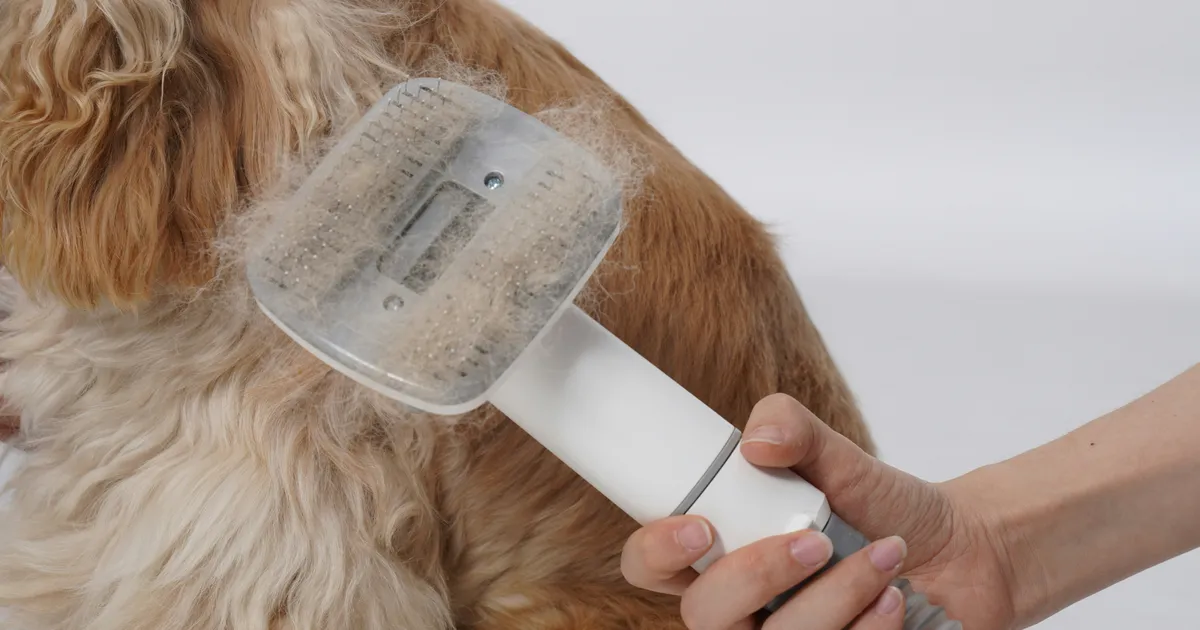
Choosing the right grooming tools is crucial for effective shedding control. A variety of brushes are available, each designed for specific purposes. Slicker brushes are excellent for removing mats and tangles, particularly in long-haired breeds. Bristle brushes are ideal for smoothing the coat and distributing natural oils. Undercoat rakes are specially designed to remove loose undercoat without damaging the topcoat, making them essential for double-coated breeds. Additionally, grooming gloves can be a gentle and effective way to remove loose fur, especially for pets that are sensitive to traditional brushes. Investing in a selection of high-quality tools tailored to your pet’s coat type will make the grooming process more efficient and comfortable for both you and your furry friend.
Beyond brushes, consider other helpful grooming tools. A good quality pet shampoo and conditioner can help to loosen dead fur and moisturize the skin, reducing shedding. Detangling sprays can make brushing easier and less painful for pets with matted fur. Nail clippers are important for maintaining proper paw health and preventing injuries. Finally, a vacuum cleaner specifically designed for pet hair can be a lifesaver for keeping your home clean. Remember to clean your brushes regularly to remove accumulated hair and maintain their effectiveness. Regularly check grooming tools for damage and replace them as needed to ensure safe and efficient pet care.
Mastering Brushing Techniques
The effectiveness of brushing depends not only on the tools you use but also on the techniques you employ. Start by gently brushing your pet in the direction of hair growth. This helps to smooth the coat and remove surface debris. For long-haired breeds, use a wide-toothed comb to detangle any mats or knots before using a brush. When using an undercoat rake, work in small sections, gently pulling the rake through the coat to remove loose undercoat. Be careful not to apply too much pressure, as this can irritate the skin. Positive reinforcement, such as treats and praise, can make the brushing experience more enjoyable for your pet and encourage cooperation. See the best brushing techniques used by professional groomers on the American Kennel Club website: AKC.org
Consistency is key. Establish a regular brushing schedule and stick to it as much as possible. Short, frequent brushing sessions are often more effective than long, infrequent ones. Pay attention to areas that are prone to matting, such as behind the ears, under the legs, and around the tail. If you encounter a particularly stubborn mat, consider using a detangling spray or consulting a professional groomer. Regular brushing not only reduces shedding but also allows you to check your pet for any signs of skin problems, such as fleas, ticks, or skin irritations. Early detection and treatment of these issues can prevent more serious health problems.
The Importance of Deshedding Shampoos
Deshedding shampoos can be a valuable addition to your grooming routine. These shampoos contain ingredients that help to loosen dead fur and moisturize the skin, making it easier to remove loose hair during brushing. Look for shampoos that contain natural ingredients and are specifically formulated for your pet’s coat type. Follow the instructions on the shampoo bottle carefully, and be sure to rinse thoroughly to remove all traces of shampoo. Following up with a deshedding conditioner can further enhance the benefits of the shampoo, leaving your pet’s coat soft, shiny, and less prone to shedding. Deshedding shampoos work best when used in conjunction with regular brushing.
Diet and Hydration’s Role
A healthy diet and proper hydration play a significant role in minimizing excessive shedding. A nutritionally balanced diet, rich in essential fatty acids, vitamins, and minerals, promotes healthy skin and a strong, vibrant coat. Deficiencies in certain nutrients can lead to dry, brittle fur that is more prone to shedding. Consult with your veterinarian to determine the best diet for your pet’s specific needs and life stage. Ensure that your pet always has access to fresh, clean water to maintain optimal hydration. Dehydration can lead to dry skin and increased shedding. Some pet owners supplement their pet’s diet with omega-3 fatty acids, which are known to promote healthy skin and a shiny coat. However, it is always best to consult with a veterinarian before adding any supplements to your pet’s diet.
Consider the quality of your pet’s food. High-quality pet foods are typically made with better ingredients and are more digestible than lower-quality brands. Look for foods that list a specific meat source as the first ingredient, rather than vague terms like “meat by-products.” Avoid foods that contain excessive amounts of fillers, such as corn and wheat. Monitor your pet’s coat and skin for any signs of dietary deficiencies, such as dryness, flakiness, or excessive shedding. If you notice any of these signs, consult with your veterinarian to rule out any underlying health issues and to adjust your pet’s diet accordingly. Remember that what your pet eats directly impacts the health and appearance of their coat.
Addressing Underlying Health Issues
While regular brushing and a healthy diet can significantly reduce shedding, it’s important to rule out any underlying health issues that may be contributing to the problem. Excessive shedding can be a symptom of various medical conditions, such as allergies, hormonal imbalances, skin infections, and parasites. If you notice a sudden increase in shedding or if your pet is experiencing other symptoms, such as scratching, biting, or skin redness, consult with your veterinarian. Allergies can be a common cause of excessive shedding. Pets can be allergic to various things, including food, pollen, and dust mites. Hormonal imbalances, such as hypothyroidism, can also lead to hair loss and skin problems.
Parasites, such as fleas and mites, can cause intense itching and scratching, which can lead to hair loss and skin damage. Skin infections, both bacterial and fungal, can also contribute to excessive shedding. Your veterinarian can perform diagnostic tests to identify any underlying health issues and recommend appropriate treatment. Early diagnosis and treatment of these conditions can often resolve the shedding problem and improve your pet’s overall health and well-being. Remember that excessive shedding is not always just a grooming issue; it can be a sign of a more serious medical problem. Seeking veterinary care is crucial for determining the root cause of the shedding and addressing it effectively in 2026.
Key Takeaways
- Understand your pet’s coat type to choose the right brushes and techniques.
- Invest in essential grooming tools like slicker brushes, bristle brushes, and undercoat rakes.
- Establish a regular brushing schedule and use gentle, consistent techniques.
- Consider using deshedding shampoos and conditioners to loosen dead fur.
- Ensure your pet has a healthy diet and access to fresh water.
- Rule out any underlying health issues that may be contributing to excessive shedding.
Frequently Asked Questions
How often should I brush my pet?
The frequency of brushing depends on your pet’s coat type. Long-haired breeds may require daily brushing, while short-haired breeds may only need brushing a few times a week.
What is the best type of brush for my pet?
Slicker brushes are great for detangling; bristle brushes smooth the coat; undercoat rakes remove loose undercoat. Match the brush to your pet’s fur type and length.
Can diet affect my pet’s shedding?
Yes, a balanced diet rich in essential fatty acids promotes healthy skin and a strong coat, which can reduce shedding. Insufficient nutrition can lead to increased hair loss.
Is shedding normal?
Yes, some shedding is normal for most pets. However, excessive shedding can be a sign of an underlying health issue or inadequate grooming.
When should I consult a veterinarian about my pet’s shedding?
Consult a vet if you notice a sudden increase in shedding, skin redness, scratching, or other signs of discomfort. These can be indicators of allergies, infections, or other problems.
Conclusion
Managing excessive pet shedding requires a multifaceted approach that includes understanding your pet’s coat, using the right tools and techniques, providing a healthy diet, and addressing any underlying health issues. By incorporating these strategies into your routine, you can significantly reduce shedding and improve your pet’s overall well-being. Remember that consistency is key, and that regular grooming not only minimizes shedding but also strengthens the bond between you and your furry companion. With patience and dedication, you can create a cleaner home and a happier, healthier pet for years to come.