
Safely bathing a longhaired domestic cat requires a delicate balance of patience, preparation, and the right techniques. Unlike their short-haired counterparts, longhaired cats like Persians, Maine Coons, and Himalayans have dense coats prone to matting and tangles. Neglecting proper bathing can lead to painful knots, skin irritation, and even secondary infections. This comprehensive guide will provide expert advice on how to safely and effectively bathe your longhaired feline friend, ensuring a positive experience for both you and your cat. We’ll cover everything from selecting the best products to mastering the bathing process, leaving your cat clean, comfortable, and looking their best.
Preparing for the Bath
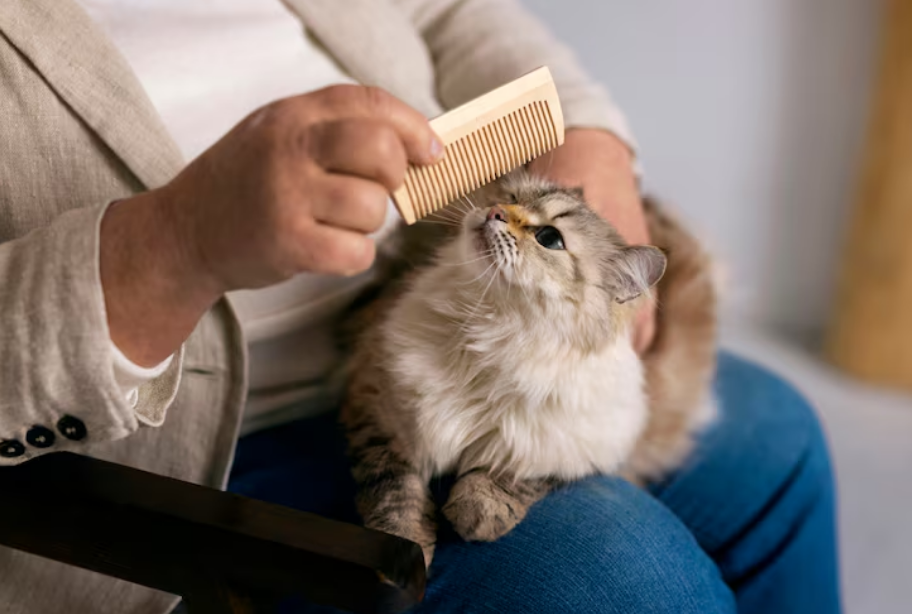
Before even thinking about water, thorough preparation is paramount. Begin by brushing your longhaired cat to remove any loose fur, mats, or tangles. Use a wide-toothed comb or a specialized de-matting tool to gently work through any knots, being careful not to pull or irritate the skin. Matted fur becomes even more difficult to manage when wet, so this step is crucial. Remember to examine your cat for any pre-existing skin conditions, such as cuts, abrasions, or areas of inflammation; if you find anything concerning, consult with your veterinarian before proceeding.
Gather all your supplies in advance and have them within easy reach. You’ll need a cat-specific shampoo, several soft towels, a non-slip mat for the tub or sink, a pitcher or cup for rinsing, and a brush or comb for post-bath grooming. Choose a calm and quiet environment, away from loud noises or sudden movements that might startle your cat. Ideally, the bathroom should be warm and draft-free. Consider trimming your cat’s nails a few days before bathing to minimize the risk of scratches if they become anxious during the process. The goal is to make the experience as stress-free as possible for your feline companion.
Choosing the Right Products
Selecting the appropriate shampoo is essential for maintaining your longhaired cat’s coat health. Human shampoos are generally too harsh for cats and can strip their skin of its natural oils, leading to dryness and irritation. Always opt for a shampoo specifically formulated for cats, ideally one that is pH-balanced and free of harsh chemicals, sulfates, and artificial fragrances. Look for moisturizing ingredients such as aloe vera, oatmeal, or vitamin E to help keep your cat’s skin hydrated.
For longhaired cats prone to tangles, consider using a conditioning rinse or detangling spray after shampooing. These products can help to smooth the hair shaft, making it easier to brush and prevent mats from forming. Avoid using human conditioners, as they may contain ingredients that are toxic to cats. Always read the product labels carefully and follow the manufacturer’s instructions. It can be helpful to test a small amount of the shampoo or conditioner on a hidden area of your cat’s skin 24 hours before bathing to check for any allergic reactions or sensitivities. Always rinse thoroughly to remove any product residue.
The Bathing Process
With your cat prepped and supplies ready, it’s time for the bath. Fill a sink or tub with lukewarm water – not too hot, not too cold. The water level should only reach your cat’s lower abdomen when they are standing. Gently place your cat in the water, talking to them in a soothing voice to help them relax. Use a cup or pitcher to slowly wet their fur, avoiding their eyes, ears, and nose. Once their coat is thoroughly wet, apply a small amount of shampoo, working it into a lather.
Massage the shampoo into your cat’s fur, paying particular attention to areas prone to oil buildup, such as the base of the tail and behind the ears. Rinse thoroughly with lukewarm water until all traces of shampoo are gone. Use your fingers to gently remove any remaining shampoo suds. If necessary, apply a conditioning rinse or detangling spray, following the product instructions. A thorough rinse is incredibly important, as any remaining shampoo residue can irritate your cat’s skin and cause them to groom excessively, potentially ingesting harmful chemicals. Remember to praise and reassure your cat throughout the process to keep them as calm as possible.
Drying Your Longhaired Cat
Once the rinsing is complete, gently squeeze out as much excess water as possible from your cat’s fur. Wrap them in a soft, absorbent towel and pat them dry. Avoid rubbing vigorously, as this can create tangles. Use multiple towels if needed to absorb the majority of the moisture. If your cat tolerates it, you can use a hair dryer on a low, cool setting to speed up the drying process. Keep the dryer moving and avoid focusing on one spot for too long to prevent overheating.
While drying, gently brush your cat’s fur to prevent matting and tangles. Use a wide-toothed comb or a slicker brush to work through any knots. If you encounter a stubborn mat, use a detangling spray or mat splitter to gently separate the fur. Never pull or force the knot, as this can cause pain and skin irritation. The goal is to get your cat completely dry as quickly as possible to prevent them from getting chilled. Continue to praise and reassure your cat throughout the drying process to help them stay calm and relaxed. Proper drying is crucial, as damp fur can lead to skin problems and discomfort, especially in longhaired breeds.
Post-Bath Grooming
After the bath, while your cat’s fur is still slightly damp, is the perfect time for a thorough grooming session. Use a high-quality cat brush and comb to address any remaining tangles or mats and to ensure that the coat dries smoothly. Regular grooming, even outside of bath time, is essential for maintaining a healthy, tangle-free coat in longhaired cats. This also provides an opportunity to bond with your cat and check for any skin issues or parasites.
Consider using a leave-in conditioner or detangling spray to help keep the fur soft and manageable between baths. These products can also help to repel dirt and prevent mats from forming. In 2026, many grooming products incorporate advanced formulas designed to keep your cat’s coat looking its best. Monitor your cat’s skin for any signs of irritation or dryness and adjust your grooming routine accordingly. The frequency of grooming will depend on your cat’s individual coat type and lifestyle; however, most longhaired cats benefit from daily brushing and combing.
Dealing with Difficult Cats
Some cats simply do not enjoy being bathed, regardless of how gently you approach the situation. If your cat becomes overly stressed or agitated during the bathing process, it’s essential to prioritize their well-being. Instead of forcing the issue, try using a washcloth to spot clean any dirty areas or consider using waterless shampoo. Consult with your veterinarian or a professional groomer for advice on managing difficult cats. In some cases, a mild sedative may be necessary to reduce anxiety and allow for safe grooming. Remember, the goal is to keep your cat healthy and comfortable without causing undue stress.
Establishing a Routine
Establishing a consistent bathing routine can help your cat become more accustomed to the process over time. Start by introducing them to the sights and sounds of the bathroom without actually bathing them. Let them explore the tub or sink and reward them with treats and praise. Gradually introduce the water, starting with just a small amount. The key is to make the experience as positive as possible by associating it with rewards and affection. Keep the bathing sessions short and sweet, and always end on a positive note.
The frequency of bathing will depend on your cat’s individual needs and lifestyle. Indoor cats typically require fewer baths than outdoor cats. As a general rule, most longhaired cats benefit from a bath every 1-3 months. However, if your cat has a medical condition or is prone to getting dirty, you may need to bathe them more frequently. By establishing a consistent routine and using positive reinforcement, you can help your cat learn to tolerate, and even enjoy, bath time. Remember to always monitor your cat for any signs of stress or discomfort and adjust your routine accordingly. The latest studies in 2026 continue to show that patience and positive association reduce anxiety in grooming practices. You can always make the experience better.
Key Takeaways
- Preparation is key: Brush your cat thoroughly before bathing.
- Use cat-specific shampoo and conditioner to avoid skin irritation.
- Keep the water lukewarm and avoid getting water in their eyes and ears.
- Dry your cat thoroughly to prevent chills and matting.
- Establish a routine and use positive reinforcement to reduce stress.
- Consult a veterinarian or professional groomer if your cat becomes overly stressed.
Frequently Asked Questions
How often should I bathe my longhaired cat?
The frequency of bathing depends on your cat’s lifestyle and coat condition, but generally, every 1-3 months is sufficient for indoor cats. Outdoor cats may need more frequent baths.
What if my cat hates being bathed?
Try to make bath time a positive experience by using treats, praise, and a calm voice. If your cat is extremely resistant, consider spot cleaning with a damp cloth or using waterless shampoo.
Can I use human shampoo on my cat?
No, human shampoo is too harsh for cats and can strip their skin of natural oils, causing dryness and irritation. Always use cat-specific shampoo.
How do I prevent mats in my longhaired cat’s fur?
Regular brushing is essential for preventing mats. Use a wide-toothed comb or a slicker brush to gently work through any tangles. Consider using a detangling spray or leave-in conditioner.
What should I do if my cat gets shampoo in their eyes?
Gently flush their eyes with clean, lukewarm water. If irritation persists, consult with your veterinarian.
Conclusion
Bathing a longhaired domestic cat can seem daunting, but with the right preparation, products, and techniques, it can be a safe and even enjoyable experience for both you and your feline friend. Remember to be patient, gentle, and always prioritize your cat’s comfort and well-being. By establishing a routine and using positive reinforcement, you can help your cat learn to tolerate, and perhaps even enjoy, bath time. A clean and well-groomed cat is a happy and healthy cat, and the effort you put into their care will be well worth it.