
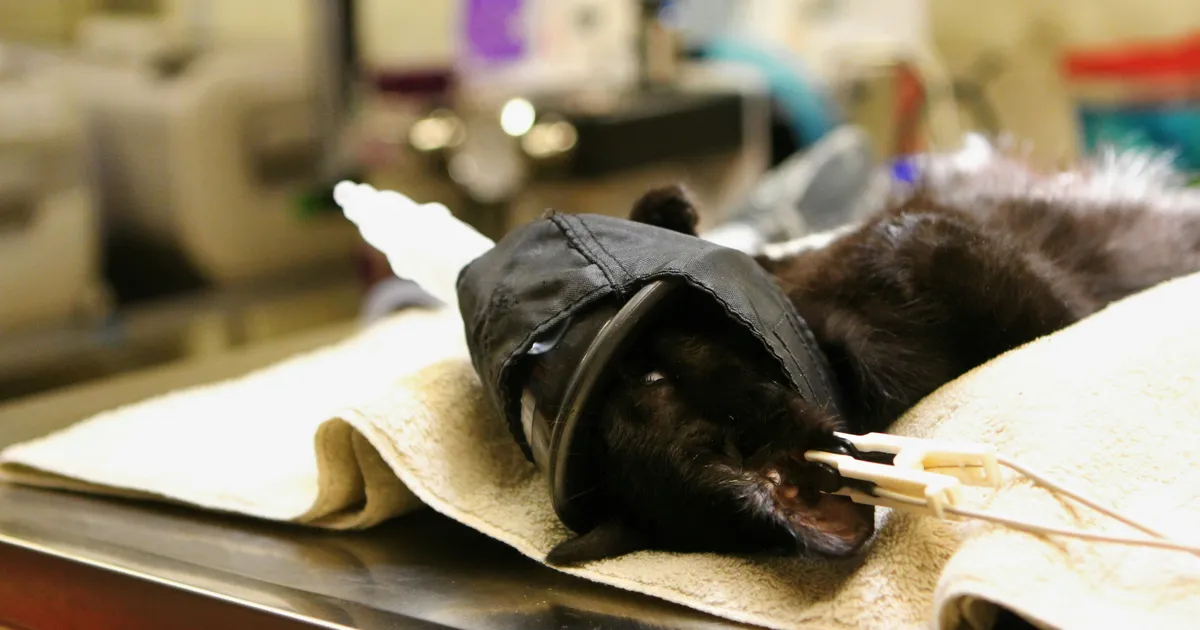
Proper post-operative care is critical to ensure a smooth and speedy recovery for your beloved pet after surgery. Taking the right steps in the days and weeks following a procedure can minimize complications and get your furry friend back to their happy, healthy self. This article provides expert guidance on every stage of recovery care, from managing pain and monitoring incisions to ensuring proper nutrition and restricting activity. By following these safe and effective recovery care tips, you’ll be well-equipped to provide the best possible support for your pet as they heal, increasing the chances of a positive outcome. Remember to always consult with your veterinarian for specific instructions tailored to your pet’s individual needs and the type of surgery performed during 2026.
Creating a Comfortable Recovery Space
Setting up a quiet and comfortable recovery space is paramount immediately following your pet’s surgery. Choose a location that is easily accessible for you and your pet, minimizing the need for them to navigate stairs or slippery floors. This space should be away from loud noises, active children, and other pets to allow for undisturbed rest. The ideal recovery area will be warm, dry, and well-ventilated, promoting relaxation and preventing chills which can hinder the healing process. Consider using a soft bed or blankets to provide cushioning and support, particularly after orthopedic surgeries. Preparing this haven beforehand ensures your pet can settle in comfortably as soon as they arrive home.
Furthermore, make sure essential items like food, water, and any necessary medications are readily available within the recovery space. If your pet has mobility issues, you might need to elevate their food and water bowls to minimize strain. A nearby litter box for cats, or a designated potty area for dogs, is also crucial. Observe your pet closely during their initial hours in the recovery space to gauge their comfort level and address any signs of anxiety or distress. Simple actions, like gentle petting and quiet reassurance, can contribute significantly to creating a safe and stress-free environment conducive to healing. This considered approach to recovery care will make a huge difference.
Managing Pain and Administering Medications
Pain management is a crucial component of post-operative care. Your veterinarian may prescribe pain medications to help alleviate discomfort and promote rest. These medications must be administered exactly as directed, paying close attention to dosage and frequency. Never give your pet human pain medications, as they can be toxic and potentially fatal. Keep a detailed record of when medications are given to avoid accidental overdoses or missed doses. Contact your veterinarian immediately if you notice any concerning side effects, such as vomiting, diarrhea, excessive drooling, or changes in behavior. Effective pain control is linked to improved healing rates.
Beyond prescription medications, there are other ways to support your pet’s comfort. Gentle handling and a calm environment can minimize stress and further reduce pain. Applying ice packs or warm compresses, as recommended by your veterinarian, can also provide relief from swelling and discomfort. If your pet is reluctant to take oral medications, try hiding the pills in a small amount of their favorite food or using a pill-pocket treat. Work with your vet to create a pain management plan that is effective and minimizes potential side effects. Monitoring their behavior for signs of pain, such as whimpering, panting, or changes in posture, is crucial.
Monitoring the Incision Site
Regularly inspecting the incision site is essential for detecting any signs of infection or complications. Check the incision at least twice a day for redness, swelling, discharge, or foul odor. A small amount of clear or slightly blood-tinged fluid is normal in the immediate post-operative period, but any excessive drainage or pus should be reported to your veterinarian promptly. Prevent your pet from licking or chewing at the incision site, as this can introduce bacteria and delay healing. An Elizabethan collar (cone) is often necessary to prevent this behavior. Ensure the collar fits properly and does not interfere with your pet’s eating or drinking.
Keep the incision site clean and dry. Follow your veterinarian’s instructions on cleaning the incision, which may involve gently wiping the area with a warm, damp cloth. Avoid using harsh soaps or antiseptics unless specifically instructed by your vet. Change bandages regularly, if applicable, and monitor for any signs of irritation or allergic reaction to the bandage material. If you notice sutures or staples coming loose or falling out prematurely, contact your veterinarian. Early detection and treatment of any complications can prevent more serious problems and promote optimal healing. Remember: maintaining a clean incision is key to preventing infections.
Restricting Activity and Preventing Injury
Limiting your pet’s activity is crucial during the recovery period to prevent strain on the surgical site and promote proper healing. Avoid allowing your pet to run, jump, or engage in strenuous play. Keep them on a leash when outdoors to prevent them from chasing squirrels or engaging in other sudden movements. Short, controlled walks are generally permitted, but consult with your veterinarian for specific guidelines based on the type of surgery performed. Provide plenty of opportunities for rest and relaxation. For cats, restrict access to high perches or climbing structures.
Confine your pet to a crate or small room when you are unable to supervise them directly. This will prevent them from engaging in activities that could compromise their recovery. Ensure the recovery space is free of hazards that could cause injury, such as loose rugs or sharp objects. If your pet has undergone orthopedic surgery, you may need to provide support while they are standing or walking to prevent them from putting too much weight on the affected limb. Assist them with getting in and out of the car and up and down stairs. Gradual increases in activity can be introduced only when cleared by your veterinarian. Patience and consistency are vital for a successful recovery.
Providing Proper Nutrition and Hydration
Proper nutrition and hydration are essential for supporting your pet’s healing process. Offer small, frequent meals of easily digestible food. If your pet has a reduced appetite, try warming the food slightly or offering a bland diet, such as boiled chicken and rice. Ensure fresh water is always available. If your pet is reluctant to drink, try offering flavored water or broth. Avoid giving your pet treats or table scraps, as these can upset their stomach and interfere with their appetite for their regular food. Your veterinarian may recommend a specific post-operative diet formulated to promote healing.
Monitor your pet’s food and water intake closely. Contact your veterinarian if your pet refuses to eat or drink for more than 24 hours, or if they experience vomiting or diarrhea. Proper hydration is crucial for preventing dehydration and supporting kidney function, especially if your pet is taking medications. In some cases, your veterinarian may recommend subcutaneous fluids to help maintain hydration. Provide a comfortable and stress-free environment during meal times to encourage your pet to eat and drink. Remember that good nutrition provides the building blocks for repair. Good food means a faster recovery journey. In 2026, new research is showing even stronger connection.
Recognizing and Addressing Complications
Being vigilant for signs of post-operative complications is vital to ensure the best possible outcome for your pet. Contact your veterinarian immediately if you observe any of the following: excessive bleeding, persistent vomiting or diarrhea, difficulty breathing, severe pain, fever, lethargy, loss of appetite lasting more than 24 hours, swelling or discharge at the incision site, difficulty urinating or defecating, or any other concerning changes in your pet’s behavior. Early intervention can prevent minor problems from escalating into more serious issues. Don’t hesitate to reach out to your veterinary team with any questions or concerns you may have.
Documenting your observations can be helpful when communicating with your veterinarian. Keep a record of your pet’s temperature, appetite, activity level, and any changes you notice in their condition. This information will assist your veterinarian in making an accurate diagnosis and determining the appropriate course of treatment. Follow all instructions provided by your veterinarian carefully and administer any prescribed medications as directed. Remember, you are an integral part of your pet’s recovery team. Your diligence and attention to detail can make a significant difference in their healing process. If something doesn’t seem right, trusting your instincts and seeking veterinary attention is always the best course of action.
Dealing with Surgical Site Infections
If the surgical site shows signs of infection, prompt action is paramount. Your vet may prescribe antibiotics to combat the infection. Ensure you administer the full course of antibiotics, even if the symptoms improve. In some cases, the vet may need to drain the affected area to remove accumulated pus.
Keeping the area meticulously clean is even more critical when dealing with infections. Follow the instructions on cleaning and disinfecting the wound. Also, closely monitor for any worsening of the infection or signs of systemic illness, such as fever or lethargy. A follow-up appointment with your vet is essential to ensure the infection is fully resolved and healing is progressing as expected.
Key Takeaways
- Create a comfortable and quiet recovery space for your pet.
- Administer pain medications exactly as prescribed by your veterinarian.
- Monitor the incision site regularly for signs of infection.
- Restrict your pet’s activity to prevent strain on the surgical site.
- Provide proper nutrition and hydration to support healing.
- Recognize and address any post-operative complications promptly.
Frequently Asked Questions
How long will it take for my pet to fully recover?
The recovery time varies depending on the type of surgery and your pet’s overall health, but it typically ranges from several days to several weeks. Your veterinarian will provide you with a more specific timeline based on your pet’s individual case.
What should I do if my pet refuses to eat after surgery?
Offer small, frequent meals of easily digestible food. Try warming the food slightly or offering a bland diet. If your pet refuses to eat for more than 24 hours, contact your veterinarian.
How can I prevent my pet from licking the incision site?
An Elizabethan collar (cone) is often necessary to prevent your pet from licking or chewing at the incision site. Ensure the collar fits properly and does not interfere with your pet’s eating or drinking.
When can I start taking my pet for walks after surgery?
Consult with your veterinarian before resuming walks. Short, controlled walks may be permitted, but strenuous activity should be avoided until your veterinarian gives the okay.
What are the signs of a post-operative infection?
Signs of infection include redness, swelling, discharge, foul odor, and pain at the incision site. Contact your veterinarian immediately if you observe any of these signs.
Conclusion
Providing diligent post-operative care is crucial for ensuring your pet’s comfortable and successful recovery. By following the guidelines outlined in this article, you can minimize the risk of complications and help your furry friend get back to their playful self as soon as possible. Remember that close communication with your veterinary team is essential throughout the recovery process. They are the best resource for answering your questions and addressing any concerns you may have. Your commitment to providing attentive, compassionate home care during this period will significantly contribute to a positive outcome and a speedy return to normalcy for your beloved pet and make for a brighter 2026!