
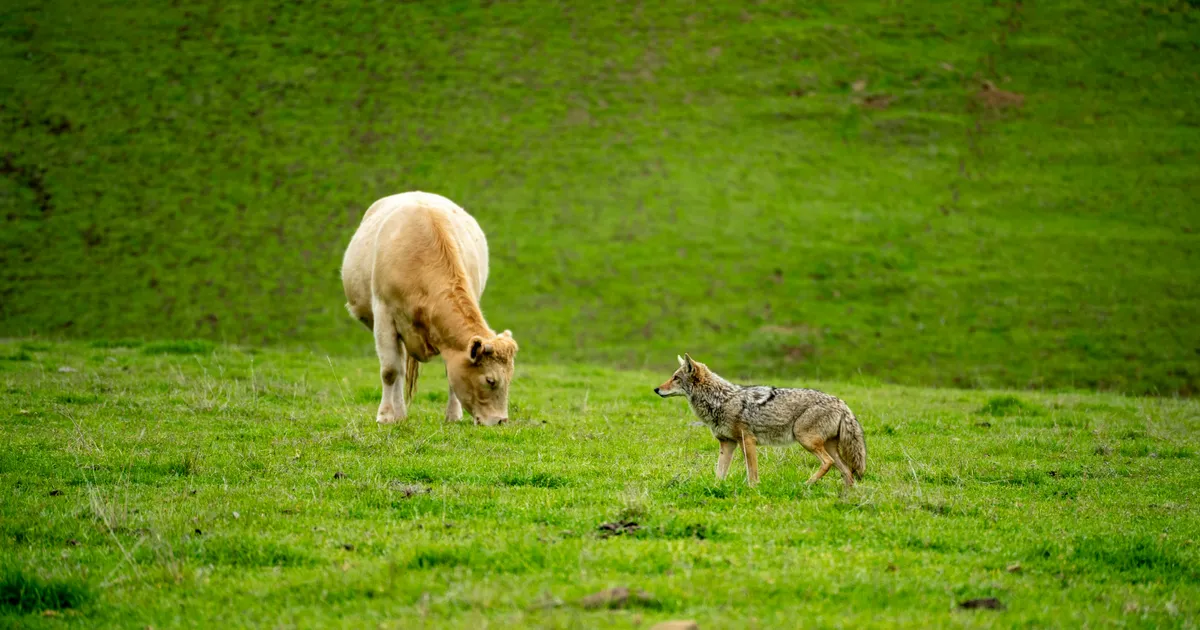
Friendship moments between different animal species residing within the same household are far more common than many people realize. While dogs and cats are the stereotypical examples, bonds can form between creatures as diverse as rabbits and guinea pigs, birds and reptiles, or even dogs and rodents. Understanding the dynamics of these unlikely friendships requires a closer inspection of animal behavior, socialization, and environmental influences. The capacity for interspecies bonding highlights the complex social intelligence of various animals and challenges preconceived notions about inherent animosity. This exploration will delve into the factors contributing to these surprising relationships, offering insights useful for fostering peaceful multi-pet households in 2026.
Understanding Interspecies Bonding
The foundation of many interspecies friendships lies in early socialization. Animals introduced to each other at a young age, particularly during their critical socialization period, are more likely to accept each other as companions. This is because their brains are more receptive to forming bonds with individuals, regardless of species. The animal’s initial experiences play a crucial role. A kitten raised alongside a dog, for instance, may interpret the dog’s presence as normal and comforting, leading to a sense of security and eventual friendship. This early imprinting can pave the way for cooperative behaviors such as mutual grooming, playing, and even shared napping spaces. Successful interspecies relationships often depend on owners facilitating positive initial interactions.
Beyond socialization, environmental factors significantly impact the development of interspecies relationships. A calm and enriching environment, free from stress and competition for resources, is conducive to fostering positive interactions. Ensuring each animal has its own designated space, food bowl, and toys minimizes the potential for conflict. Supervised interactions are also critical, particularly in the beginning, to monitor body language and intervene if necessary. A home where each animal feels safe, secure, and has its needs met is more likely to be a home where unlikely friendships can flourish. The creation of comfortable coexisting conditions is paramount to success.
Common Pairings and Their Dynamics
Dogs and cats are perhaps the most frequently observed interspecies companions. Despite their stereotypical rivalry, many dogs and cats develop strong bonds, engaging in playful chasing, mutual grooming, and shared sleeping spots. The key to their success often lies in the dog’s temperament and the cat’s confidence. A gentle, non-predatory dog is more likely to be accepted by a cat, while a confident cat is less likely to feel threatened by the dog’s size and energy. It’s important to note that individual personalities are paramount; not all dogs and cats are destined to be friends.
Another common pairing involves rabbits and guinea pigs. These small herbivores can often coexist peacefully, provided their environment is suitable. Rabbits, being larger, may unintentionally injure guinea pigs, so supervision is crucial. Providing ample space is essential. While they don’t typically engage in complex social interactions like grooming, rabbits and guinea pigs can find comfort in each other’s presence. In some situations, the animals have been observed sharing food and hiding places.
The Role of Environmental Enrichment
Enrichment plays a vital role in healthy animal relationships. Whether through toys, puzzles, or social interaction with humans encouraging play and bonding, providing enough positive stimulation can keep animals happy and content. Moreover, a suitable environment including space and comfort contributes to forming friendships with other pets. In 2026, pet ownership is expected to become even more customized to the animal’s needs, and this includes understanding how enrichment impacts their well-being, and how those in turn affect their relationship with cohabitating species.
Signs of a Healthy Interspecies Friendship
Recognizing the signs of a genuine interspecies friendship is crucial for ensuring the well-being of all animals involved. Positive indicators include relaxed body language when in close proximity, mutual grooming (e.g., licking), playing together, and seeking comfort from each other during stressful situations. Animals that are truly friends will often choose to spend time together, even if given the option to be alone. Shared sleeping spaces or participating in joint activities are further confirmation of a healthy bond.
Conversely, signs of tension or animosity should be addressed promptly. These include excessive hissing, growling, chasing, or attempts to bite or scratch. It’s important to distinguish between playful banter and genuine aggression. A professional animal behaviourist can often differentiate between harmless playing and concerning aggressiveness between pets. A healthy friendship should be a source of enrichment and comfort for all involved, not a source of stress and fear.
Potential Challenges and How to Overcome Them
Despite the potential for interspecies harmony, challenges can arise. Predatory instincts can pose a significant risk, particularly when introducing smaller animals to larger predators like dogs or cats. Proper training and careful supervision are essential in these situations. It’s imperative to teach dogs to respect the smaller animal’s space and to deter chasing behavior. Owners should never leave vulnerable pets unsupervised with animals that have strong predatory instincts.
Resource guarding can also lead to conflict. Animals may become possessive of food, toys, or preferred resting spots, leading to aggression. Providing each animal with its own set of resources and ensuring they are not forced to compete can help mitigate this issue. Feeding animals separately and offering multiple comfortable resting areas are practical strategies. Additionally, positive reinforcement training can teach animals to share and cooperate. The ultimate goal is to create a household environment where resources are abundant and competition is minimized.
The Owner’s Role in Fostering Harmony
The owner plays a pivotal role in facilitating and maintaining harmonious interspecies relationships. Patience, observation, and a willingness to intervene when necessary are essential qualities. It’s crucial to understand each animal’s individual personality and adjust management strategies accordingly. Some animals may require more time and space to adjust to each other’s presence, while others may bond quickly. Paying close attention to their interactions and responding appropriately to their needs can reduce stress.
Furthermore, the owner should act as a mediator in potential conflicts. If tensions arise, it’s important to intervene calmly and redirect the animals’ attention. Punishing aggressive behavior is generally counterproductive; instead, focus on rewarding positive interactions and creating a positive association between the animals. Professional assistance from a certified animal behaviourist can be invaluable if significant challenges arise. Owners should also provide each pet the love and care that it needs, allowing them to develop a feeling of safety and well-being.
The Benefits of Multi-Pet Households
Despite the challenges, multi-pet households offer numerous benefits for both animals and their human companions. Animals can provide each other with companionship, reducing feelings of loneliness and boredom. They engage in play, which promotes exercise and mental stimulation. Witnessing interspecies friendships can be incredibly rewarding, reminding us of the capacity for compassion and connection that exists in the animal kingdom. As society continues to learn about animal behavior, such friendships will potentially be more common in future years.
For owners, multi-pet households can offer a richer and more fulfilling experience. The joy of watching animals interact and form bonds is undeniable. Pets can also provide emotional support to each other and to their owners. Ultimately, a harmonious multi-pet household requires dedication, patience, and understanding, but the rewards are well worth the effort. The presence of furry, scaly, or feathered friends can create a vibrant and loving home environment. The continued studies of these relationships in the coming years only stand to help pet owners in the future.
Key Takeaways
- Early socialization is crucial for fostering interspecies friendships.
- A calm and enriching environment minimizes conflict and promotes bonding.
- Supervise initial interactions and monitor body language closely.
- Address resource guarding and predatory instincts proactively.
- The owner’s role is to facilitate, mediate, and provide individualized care.
- Multi-pet households offer numerous benefits for animals and owners.
Frequently Asked Questions
Is it possible for any two species to become friends?
While not all species are compatible, many unlikely friendships can form with proper socialization, management, and environment. Some species, like predators and prey, require extra care.
How long does it take for animals to become friends?
The timeline varies depending on individual personalities and previous experiences. Some animals may bond within days, while others may require weeks or months to adjust.
What do I do if my animals are fighting?
Separate the animals immediately and assess the situation calmly. Identify the trigger (e.g., resource guarding) and implement strategies to prevent future conflicts. If aggression persists, consult a professional animal behaviourist.
Can older animals form interspecies friendships?
Yes, although it may require more patience and careful introductions. Older animals may be less adaptable than younger ones, so gradual exposure and positive reinforcement are key.
What if one of my pets dies, will the other pet be lonely?
Possibly. Pets that have made strong bonds with another can experience grief when the other passes on. You can attempt to help alleviate this with extra love and care or consider adopting a new friend for them.
Conclusion
Interspecies friendships offer a fascinating glimpse into the social complexities of the animal kingdom. While forming a multi-pet household comes with distinct challenges, the potential rewards are undeniable. By understanding the factors that contribute to bonding, addressing potential conflicts proactively, and providing individualized care, owners can create harmonious environments where unlikely friendships flourish. The presence of diverse companion animals can enrich our lives and remind us of the universal capacity for connection and compassion. The studies conducted in 2026 look to promote even more information to help pet owners in the future.