
Sensitive animal skin requires specialized care, and choosing the right grooming products is paramount. Many commercially available shampoos, conditioners, and other grooming aids contain harsh chemicals that can exacerbate irritation, leading to discomfort and potential health issues for your beloved pet. Fortunately, a growing awareness of these risks has fueled a surge in the availability and popularity of natural grooming products that are gentle, effective, and formulated with ingredients that soothe and protect delicate skin. This article will explore the best natural options for grooming your animal companion, focusing on ingredients to look for and those to avoid, ensuring a happy and healthy grooming experience in 2026.
Understanding Sensitive Animal Skin
Sensitive skin in animals, much like in humans, is characterized by a heightened reactivity to irritants. This heightened sensitivity can manifest as redness, itching, dryness, inflammation, and even hair loss. Various factors can contribute to sensitive skin, including genetics, allergies (food or environmental), parasitic infestations, and underlying medical conditions. Recognizing the signs of sensitivity early on is crucial to prevent further discomfort and complications. Consulting with a veterinarian is always recommended to rule out any underlying health issues and receive personalized recommendations for your animal’s specific needs. Early diagnosis contributes to better management in the long run.
The skin’s natural barrier function plays a vital role in protecting the animal from external aggressors. When this barrier is compromised, it becomes more susceptible to irritants found in conventional grooming products. Harsh sulfates, artificial fragrances, and chemical preservatives can strip the skin of its natural oils, further weakening the barrier and leading to a vicious cycle of irritation. Natural grooming products, on the other hand, typically contain milder cleansers and nourishing ingredients that help to strengthen the skin’s barrier function, promoting overall skin health. Choosing the right product contributes significantly to pet comfort.
Identifying Common Irritants
Knowing what ingredients to avoid is just as crucial as knowing which ingredients to seek out. Sulfates, such as sodium lauryl sulfate (SLS) and sodium laureth sulfate (SLES), are common foaming agents in shampoos but can be incredibly drying and irritating. Artificial fragrances, often listed simply as “fragrance” on ingredient labels, can contain a blend of unknown chemicals that trigger allergic reactions. Parabens, used as preservatives, have also been linked to hormone disruption and skin irritation. Always carefully read the ingredient lists and opt for products that are free of these common irritants. Researching ingredients on sites like the Environmental Working Group (EWG) Skin Deep database can also provide valuable information.
Key Ingredients in Natural Grooming Products
Natural grooming products harness the power of plant-derived ingredients with proven benefits for sensitive skin. Oatmeal, for example, is a well-known remedy for soothing itchy and inflamed skin. Its anti-inflammatory properties help to calm irritation and provide relief. Aloe vera is another excellent ingredient, renowned for its moisturizing and healing properties. It can help to hydrate dry skin, reduce inflammation, and promote wound healing. These ingredients aid with keeping the animal calm during bath time.
Essential oils, when used correctly and in diluted form, can also offer therapeutic benefits. Lavender oil is known for its calming properties, while chamomile oil can help to reduce inflammation. However, it’s crucial to use essential oils with caution, as some can be toxic to animals. Always consult with a veterinarian or a qualified aromatherapist before using essential oils on your pet. Look for products specifically formulated for animals, ensuring that the essential oils are properly diluted and safe for use. A good rule of thumb is to never use essential oils intended for human use on your pet. Always double check dosages and recommended procedures prior to application.
Choosing the Right Shampoo
Selecting the right shampoo is essential for maintaining the health of your animal’s sensitive skin. Look for shampoos that are specifically labeled as “hypoallergenic” or “for sensitive skin.” These formulations are typically free of harsh chemicals, artificial fragrances, and dyes. Opt for shampoos that contain natural cleansing agents, such as coconut-derived cleansers or soapberry extract, which are gentler on the skin than traditional sulfates. Patch-testing a small area of skin before applying shampoo to the entire body is recommended to ensure compatibility.
The frequency of bathing is also an important consideration. Over-bathing can strip the skin of its natural oils, exacerbating dryness and irritation. Unless your animal is particularly dirty or smelly, bathing every few weeks is usually sufficient. When bathing, use lukewarm water and gently massage the shampoo into the coat, avoiding the eyes and ears. Rinse thoroughly to remove all traces of shampoo, as residual product can cause irritation. With appropriate steps, your animal’s fur should be vibrant.
Conditioners and Leave-in Treatments
Conditioners can help to restore moisture to the coat after shampooing, making it softer, smoother, and easier to manage. Look for natural conditioners that contain ingredients such as shea butter, coconut oil, or argan oil, all of which are known for their moisturizing and conditioning properties. Leave-in treatments can also be beneficial for providing ongoing hydration and protection, particularly for animals with dry or damaged coats. Products containing natural oils and botanical extracts help keep the coat hydrated.
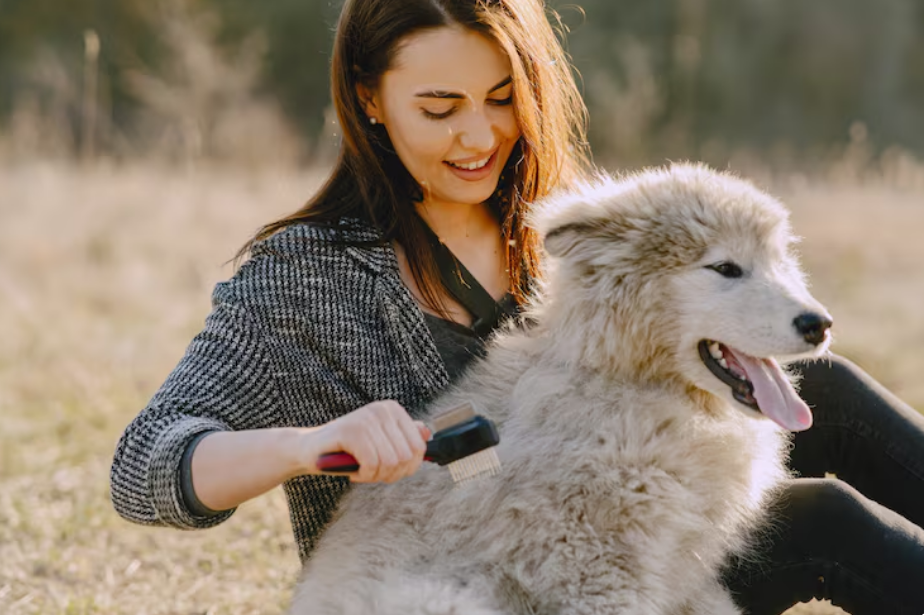
When applying conditioners or leave-in treatments, focus on the ends of the hair, as this area is often the driest and most prone to damage. Avoid applying product directly to the scalp, as this can lead to buildup and irritation. Opt for lightweight, non-greasy formulas that won’t weigh down the coat. Consider using a detangling spray on animals with long or thick hair to prevent mats and tangles. Regularly brushing also prevents tangles and mats and should be part of a grooming routine. Regular grooming aids in detecting skin abnormalities.
Other Natural Grooming Aids
Beyond shampoos and conditioners, there are a variety of other natural grooming aids available to help care for animals with sensitive skin. Dry shampoos, formulated with ingredients like oatmeal and clay, can be used between baths to freshen up the coat and absorb excess oil. Paw balms, made with natural waxes and oils, can help to protect and soothe dry, cracked paw pads. Natural ear cleaners, containing ingredients such as witch hazel and tea tree oil (in diluted form), can help to keep the ears clean and healthy. These aids provide additional support to the animal’s comfort.
Dental care is also an important aspect of animal grooming, and there are many natural dental products available. Toothpastes formulated with natural enzymes and abrasives can help to remove plaque and tartar without the use of harsh chemicals. Dental chews made from natural ingredients can also help promote oral hygiene. Regular dental care is important for preventing dental disease, which can impact overall health. In 2026, more pet owners are asking about and employing these tactics.
Creating a Relaxing Grooming Experience
For animals with sensitive skin, grooming can be a stressful experience. Creating a calm and relaxing environment can help to minimize anxiety and make the process more enjoyable. Start by acclimating your animal to the grooming tools, such as brushes and combs, gradually. Offer treats and praise to reward calm behavior. Choose a quiet and comfortable location for grooming, free from distractions. Consider dimming the lights and playing soft music to further create a relaxing atmosphere. Remember that a positive grooming experience will help them to be more cooperative next time. Make sure you allocate enough time so that you are not rushed.
During the grooming session, be gentle and patient. Use slow, deliberate movements and avoid pulling or tugging on the hair. If your animal shows signs of discomfort or stress, take a break and try again later. Regular grooming, even if it’s just a few minutes each day, can help to desensitize your animal to the process and make it less stressful over time. By associating grooming with positive experiences, you can help your animal to feel more comfortable and relaxed. These methods contribute to enjoyable grooming.
Key Takeaways
- Choose grooming products specifically formulated for sensitive animal skin.
- Avoid harsh chemicals, artificial fragrances, and dyes.
- Look for products containing natural ingredients like oatmeal, aloe vera, and essential oils (used cautiously).
- Bathe your animal infrequently to avoid stripping the skin of its natural oils.
- Create a calm and relaxing grooming environment.
- Consult with a veterinarian for personalized recommendations.
Frequently Asked Questions
Are all-natural grooming products safe for my pet?
While natural grooming products are generally safer than conventional products, it’s still important to read the ingredient list carefully. Some natural ingredients can cause allergic reactions in sensitive animals. Always do a patch test before applying any new product to your pet’s entire body.
How often should I bathe my animal?
The frequency of bathing depends on your animal’s breed, coat type, and lifestyle. As a general rule, most animals should only be bathed every few weeks. Over-bathing can dry out the skin and exacerbate sensitive skin issues. If your animal gets particularly dirty, you can spot clean them with a damp cloth or use a dry shampoo.
Can I use human shampoo on my animal?
It’s generally not recommended to use human shampoo on animals, as human shampoo is formulated with a different pH level than animal skin. Using human shampoo can disrupt the skin’s natural balance and lead to irritation. Always use shampoo specifically formulated for animals.
What are some signs of an allergic reaction to grooming products?
Signs of an allergic reaction to grooming products include redness, itching, hives, swelling, and difficulty breathing. If you notice any of these signs, discontinue use of the product immediately and consult with a veterinarian.
Where can I find natural grooming products for sensitive skin?
Natural grooming products for sensitive skin are available at many pet stores and online retailers. Look for products that are specifically labeled as “hypoallergenic” or “for sensitive skin.” You can also find recommendations from your veterinarian or groomer.
Conclusion
Caring for an animal with sensitive skin requires careful attention to detail, especially when it comes to grooming. By choosing natural grooming products that are free of harsh chemicals and formulated with soothing ingredients, you can help to maintain your animal’s skin health and prevent irritation. Remember to create a relaxing grooming environment and consult with a veterinarian for personalized recommendations. With the right approach, grooming can be a positive and enjoyable experience for both you and your beloved companion. From now until 2026, natural grooming is growing as more owners attempt to keep pets safe and healthy.